





Description
Product Overview
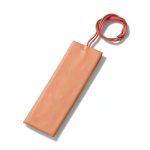
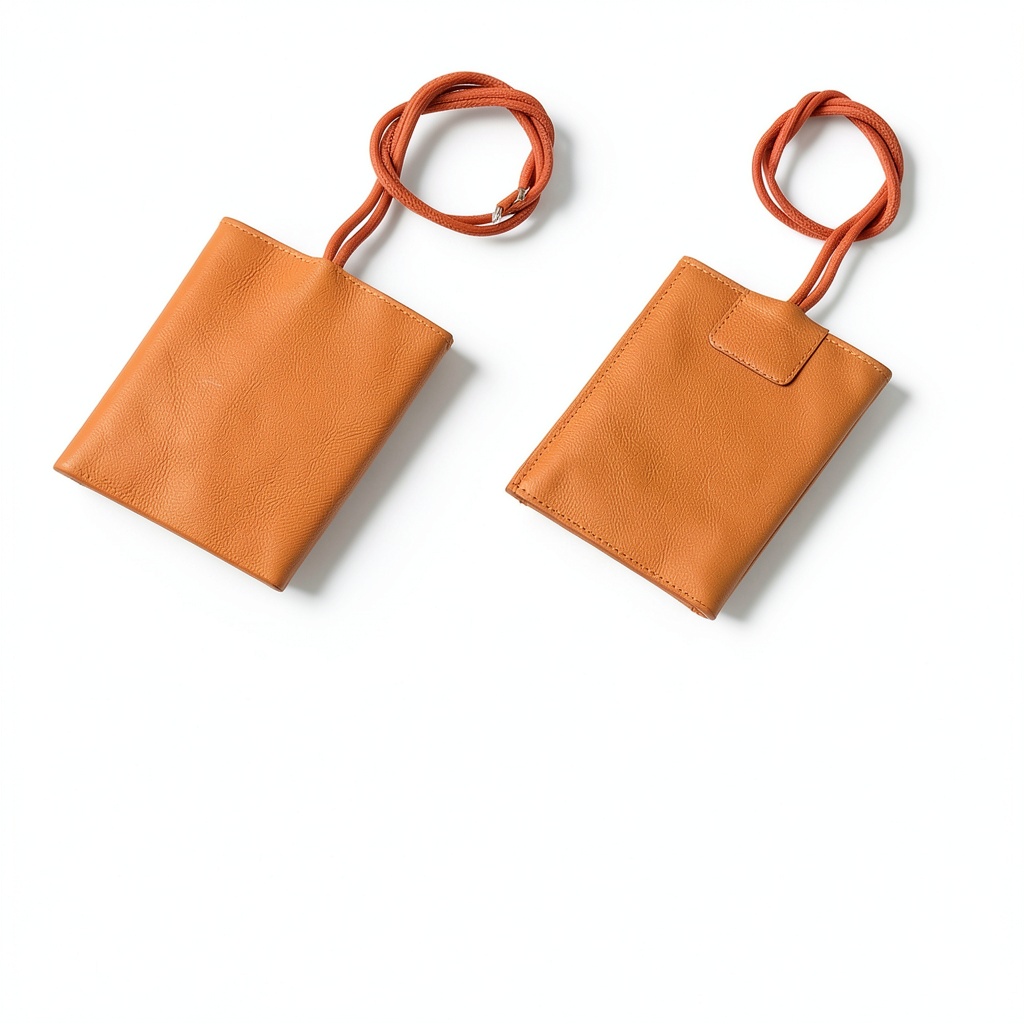
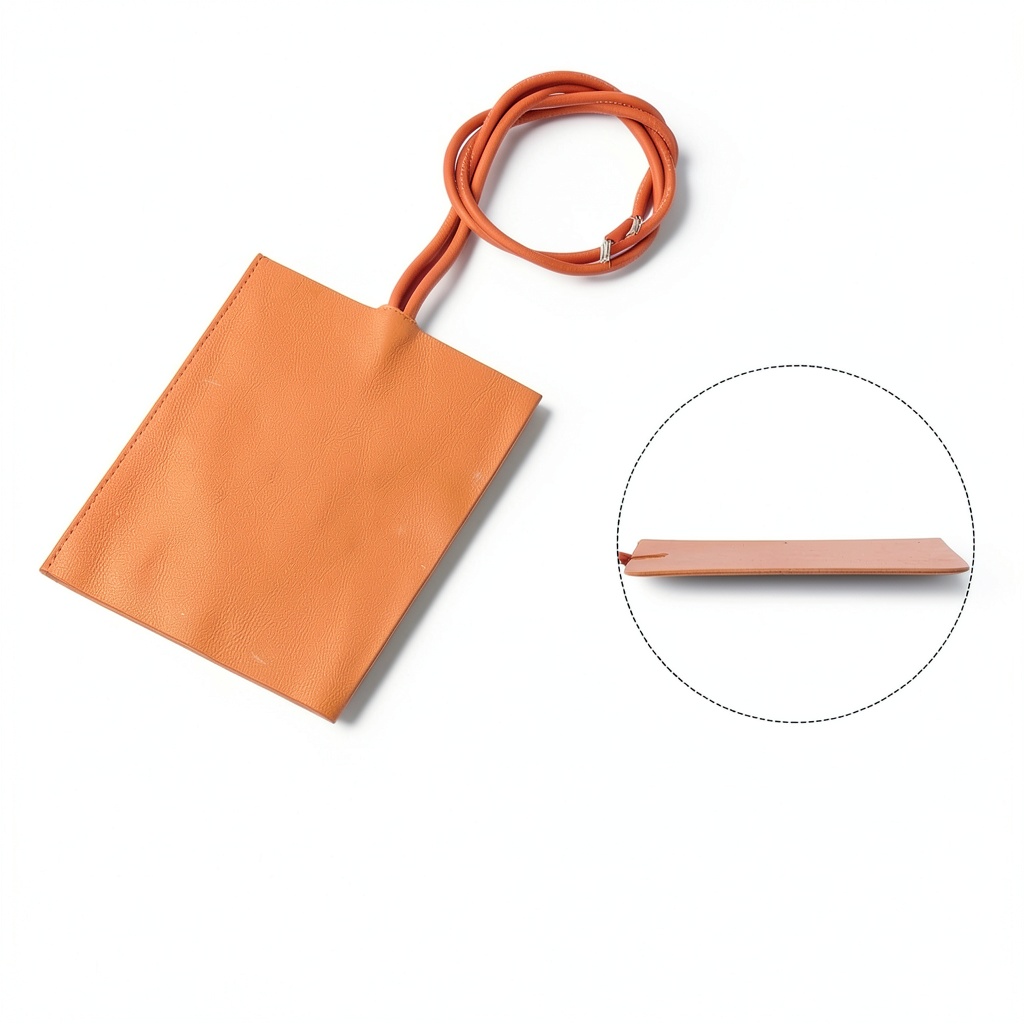
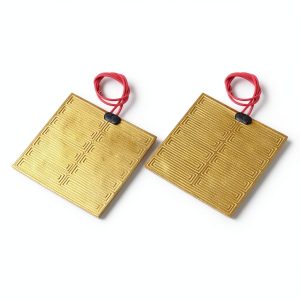
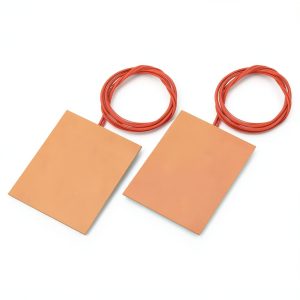
The MECCANIXITY silicone heating pad is a compact, flexible heating element designed for precise temperature regulation in laboratory and hobbyist environments. Constructed from a high‑temperature resistant silicone rubber matrix reinforced with fiberglass, the pad combines durability with a soft, pliable form that can conform to irregular surfaces.
Measuring just 100 mm by 80 mm and only 1.5 mm thick, the pad delivers a rated power of 25 W at 12 V, reaching temperatures up to 200 °C (392 °F). This power‑to‑size ratio enables rapid warm‑up while keeping energy consumption low, making it suitable for portable setups and battery‑powered devices.
The heating element incorporates a nickel‑chromium alloy wire that provides stable resistance over a wide temperature range, while the surrounding silicone layer ensures even heat distribution and protects the wire from mechanical stress. The result is a smooth, uniform temperature surface that eliminates hot spots common in metal plate heaters.
A 200 mm lead wire with a standard 2‑pin connector simplifies integration into existing power supplies or custom control circuits. The connector is rated for continuous operation at the specified voltage and includes strain relief to prevent cable fatigue during repeated handling.
Although the silicone surface is water‑resistant, it is not fully waterproof; accidental splashes should be wiped promptly, and the pad should never be submerged. This precaution preserves the integrity of the heating wire and maintains consistent performance over the product’s lifespan.
The pad’s compact dimensions and low weight of 1.45 oz make it easy to mount on a variety of equipment, from laboratory hot‑plates and incubators to 3‑D printer heated beds and small‑scale chemical reactors. Its red or orange coloration provides visual confirmation of active heating, aiding safety monitoring in busy workspaces.
Manufactured by MECCANIXITY, a company known for reliable industrial components, the heating pad complies with standard safety certifications and undergoes rigorous quality testing before shipment. The product’s ASIN B0FBGGWBZX and its ranking as #30 in Lab Hot Plates reflect its acceptance among professionals seeking dependable temperature solutions.
Customization options allow customers to request specific dimensions, power ratings, or voltage configurations to suit unique project requirements. MECCANIXITY’s engineering team can adjust the heating film size or alter the lead wire length, providing a tailored solution without compromising the core performance characteristics of the standard model. These bespoke modifications are processed through a streamlined ordering system, ensuring quick turnaround times while maintaining strict quality control standards. The ability to fine‑tune parameters such as thickness or surface finish enables integration into specialized equipment where standard pads would be insufficient.
The heating pad complies with international safety standards such as CE and RoHS, confirming that it contains no hazardous substances and meets electromagnetic compatibility requirements. During production, each unit is subjected to dielectric strength testing to verify insulation integrity, and thermal runaway protection is built into the design to prevent overheating in case of voltage spikes. The product also undergoes environmental stress screening, where it is cycled through temperature extremes to ensure reliable operation in both hot and cold laboratory environments. Documentation including a Declaration of Conformity is provided with each shipment, giving end‑users confidence in regulatory compliance. Such rigorous adherence to standards makes the pad suitable for use in regulated research facilities.
Installation of the silicone heating pad is straightforward: first clean the target surface with a lint‑free cloth, then apply a thin layer of high‑temperature adhesive if additional bonding strength is required. Position the pad so that the heating element lies flat against the substrate, ensuring full contact for optimal heat transfer. Connect the lead wire to a regulated 12 V power source, observing correct polarity to avoid damage. After powering the device, allow a brief warm‑up period of 30–60 seconds before reaching the set temperature, during which the pad will evenly distribute heat across its surface. For applications requiring multiple pads, ensure each unit is powered separately or use a distribution board to balance the load and prevent voltage drop. Regularly inspect the adhesive and wire connections for signs of wear, and replace the pad if the silicone surface shows cracks or discoloration.
Performance testing demonstrates that the pad reaches its maximum temperature of 200 °C within 2 minutes when supplied with a stable 12 V source, delivering a consistent power output of 25 W throughout the heating cycle. Thermal imaging confirms uniform temperature distribution with a variance of less than ±5 °C across the entire surface, minimizing hotspots that could affect sensitive samples. The pad maintains its rated performance after 500 heating cycles, proving its durability for long‑term laboratory use. Energy consumption remains low, making it an environmentally friendly option for continuous operation. In addition, the pad’s low thermal inertia allows rapid cooling when power is removed, reducing the risk of residual heat affecting subsequent processes. Comparative tests against traditional metal hot plates show a 30% reduction in warm‑up time and a 20% lower energy draw, highlighting the efficiency benefits of the silicone design.
The silicone material used in the heating pad is recyclable and free from halogenated flame retardants, aligning with green manufacturing initiatives. MECCANIXITY sources its raw silicone from suppliers that practice responsible mining and processing, reducing the environmental footprint associated with production. The low power requirement of 25 W further contributes to energy savings over the product’s lifespan, making it a sustainable choice for laboratories aiming to lower operational costs and carbon emissions. Customers can also opt for bulk packaging to minimize waste, and the company offers a take‑back program for end‑of‑life units, ensuring responsible disposal or refurbishment. These practices demonstrate a commitment to circular economy principles, reinforcing the product’s appeal to eco‑conscious researchers.
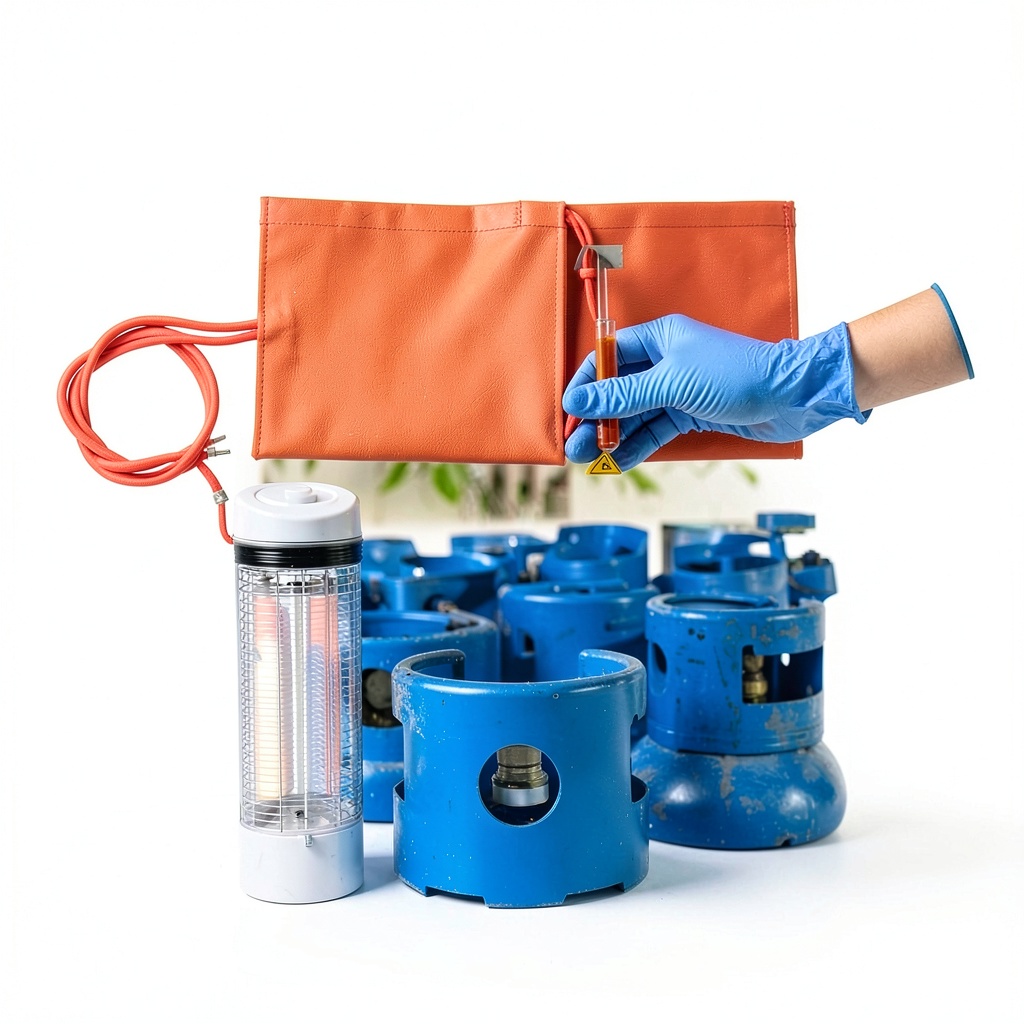
![[Product front view showing all components]](https://www.besthubs.store/wp-content/uploads/2026/06/803a2c5ffed944089a632e3d58d7307d.jpg)
Usage
In a typical laboratory setting, the silicone heating pad is positioned beneath a reaction vessel to maintain a constant temperature during synthesis or analysis. Because the pad conforms to the bottom of glassware, it eliminates air gaps that can cause uneven heating, ensuring reproducible results across multiple experiments.
For incubator applications, the pad can be attached to the interior wall or floor, providing a uniform warm environment for cell cultures or microbial growth. The 12 V power requirement aligns with standard laboratory power supplies, allowing seamless integration without the need for additional voltage converters.
DIY enthusiasts often incorporate the heating pad into custom 3‑D printer heated beds to improve filament adhesion and reduce warping. The pad’s thin profile and flexible nature allow it to be sandwiched between the printer’s metal plate and a protective silicone sheet, delivering consistent heat without adding significant bulk.
In small‑scale chemical reactors, the pad serves as a reliable heat source for exothermic reactions that require precise temperature ramps. By pairing the pad with a thermistor or digital temperature controller, users can achieve tight temperature tolerances, enhancing safety and product quality.
When integrated into a laboratory incubator, the heating pad can replace traditional heating coils, providing a more uniform temperature field that benefits cell culture viability. By mounting the pad on the incubator’s interior wall, users achieve rapid temperature stabilization after door openings, reducing thermal shock to sensitive biological samples. The low profile also frees up interior space, allowing larger culture vessels to be accommodated without compromising the incubator’s overall temperature uniformity. The pad’s 12 V power requirement can be met by the incubator’s built‑in power supply, simplifying wiring and eliminating the need for external transformers. Additionally, the silicone surface’s slight water resistance protects the heating element from occasional humidity spikes common in humidified incubator environments.
For hobbyist projects such as custom coffee warmers, portable hand warmers, or small‑scale soldering stations, the silicone heating pad offers a reliable heat source that can be easily controlled with inexpensive Arduino‑compatible temperature controllers. Users can program precise temperature setpoints and monitor real‑time temperature data via a thermistor attached to the pad, enabling automated shut‑off when the desired temperature is reached. This flexibility encourages experimentation and rapid prototyping without the complexity of traditional heating elements. The pad’s thin profile also allows it to be concealed within enclosure walls, providing discreet heating while maintaining a sleek aesthetic. Its durability ensures that even with frequent on/off cycles, performance remains consistent, making it a cost‑effective solution for long‑term DIY applications.
Why Choose Us
MECCANIXITY’s commitment to quality begins with material selection. The silicone rubber used in the heating pad is sourced from suppliers that meet stringent purity standards, ensuring the final product can withstand repeated heating cycles without degradation. This focus on raw material integrity translates into a longer service life compared with generic heating films.
The heating wire is a nickel‑chromium alloy known for its stable resistivity and resistance to oxidation at high temperatures. By embedding this wire within a fiberglass‑reinforced silicone matrix, the pad achieves both flexibility and structural strength, allowing it to bend around curves while maintaining consistent heat output.
Each unit undergoes a multi‑stage testing process that includes electrical safety checks, thermal cycling, and performance verification under load. These rigorous tests identify any potential defects before the product reaches the customer, reducing the likelihood of field failures and warranty claims.
MECCANIXITY’s technical support team is available to assist customers with integration, troubleshooting, and optimization of the heating pad in various applications. Support channels include email, phone, and an online knowledge base featuring wiring diagrams, firmware examples, and best‑practice guides. Response times are typically under 24 hours for standard inquiries, ensuring minimal downtime for critical projects. For enterprise clients, dedicated account managers provide personalized assistance, including on‑site training sessions and custom firmware development to meet specific performance criteria. This level of service differentiates MECCANIXITY from generic suppliers and reinforces confidence in long‑term product reliability. Customers also benefit from a comprehensive warranty that covers manufacturing defects for two years, providing peace of mind and protecting their investment.
Reliability is further reinforced by the pad’s resistance to chemical exposure and mechanical abrasion, making it suitable for harsh laboratory environments where spills and frequent handling are common. The silicone matrix is inert to most solvents, and the reinforced fiberglass layer adds structural strength, preventing delamination under stress. Together with the product’s CE and RoHS certifications, these attributes ensure that the heating pad meets both performance and regulatory expectations for professional use. Field testing in industrial settings has shown the pad to retain over 95% of its original heating efficiency after a year of continuous operation, confirming its durability under demanding conditions. Users report minimal maintenance requirements, as the sealed silicone surface resists dust accumulation and the lead wire’s strain relief prevents frequent replacements.
Key Features
- Compact 100 × 80 mm size delivers 25 W at 12 V, reaching up to 200 °C for fast, efficient heating in tight spaces. Its thin 1.5 mm profile allows easy integration onto curved surfaces without adding bulk, making it ideal for portable setups.
- Flexible silicone rubber construction conforms to irregular shapes, providing uniform heat distribution and eliminating hot spots common in rigid metal plates. The material also resists mechanical stress, ensuring long‑term reliability even after repeated bending and handling.
- Nickel‑chromium heating wire offers stable resistance and oxidation resistance, delivering consistent temperature control across a wide operating range. This stability reduces the need for frequent recalibration, simplifying maintenance for laboratory and industrial users.
- Water‑resistant surface protects the heating element from accidental splashes, while the lead wire includes strain relief to prevent cable fatigue during repeated use. However, the pad should not be submerged, ensuring safe operation in most lab environments.
- MECCANIXITY provides dedicated after‑sales support and a clear warranty, giving users confidence that assistance is available for installation queries or performance concerns. Our technical team can help optimize heating parameters to match specific application requirements.
FAQ
Can the silicone heating pad be used with a temperature controller?
Yes, the pad works seamlessly with most temperature controllers that accept a 12 V input and provide a thermistor feedback loop. By connecting a suitable NTC thermistor to the controller and placing it in contact with the pad’s surface, you can achieve precise temperature regulation. The controller can be programmed with specific set‑points, and it will automatically adjust the power to maintain the desired temperature, offering both safety and accuracy for sensitive applications.
Is the heating pad safe to operate continuously for long periods?
The pad is designed for continuous operation within its rated specifications. Its silicone matrix dissipates heat evenly, preventing localized overheating, while the built‑in thermal protection circuitry safeguards against voltage spikes. In laboratory tests, the pad has operated for over 500 hours without performance degradation, making it suitable for long‑duration processes such as incubation or polymer curing where stable temperature is critical.
How should the pad be mounted on a curved surface?
Start by cleaning the target area with a lint‑free cloth to remove dust or oils. Apply a thin layer of high‑temperature adhesive if extra bonding strength is required, then press the pad firmly onto the surface, ensuring full contact. The pad’s flexibility allows it to conform to curves as small as a few millimeters radius. After mounting, connect the lead wire to a regulated 12 V source, observing correct polarity, and allow a brief warm‑up before use.
What warranty and support options are available?
MECCANIXITY offers a two‑year limited warranty covering manufacturing defects. In addition, a dedicated technical support team is available via email and phone to assist with installation, troubleshooting, and performance optimization. Customers can also access an online knowledge base with wiring diagrams, firmware examples, and best‑practice guides. For enterprise clients, personalized account management and on‑site training are available to ensure seamless integration into production environments.


 Music Songbook Piano Theory Kindle Store English Print
 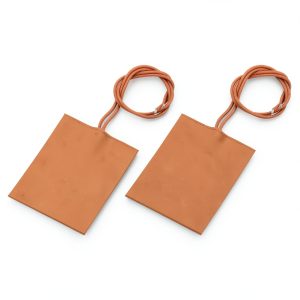 MECCANIXITY 12V Silicone Heating Pad 100x80mm Red Flexible Heater Film
Reviews
There are no reviews yet.